


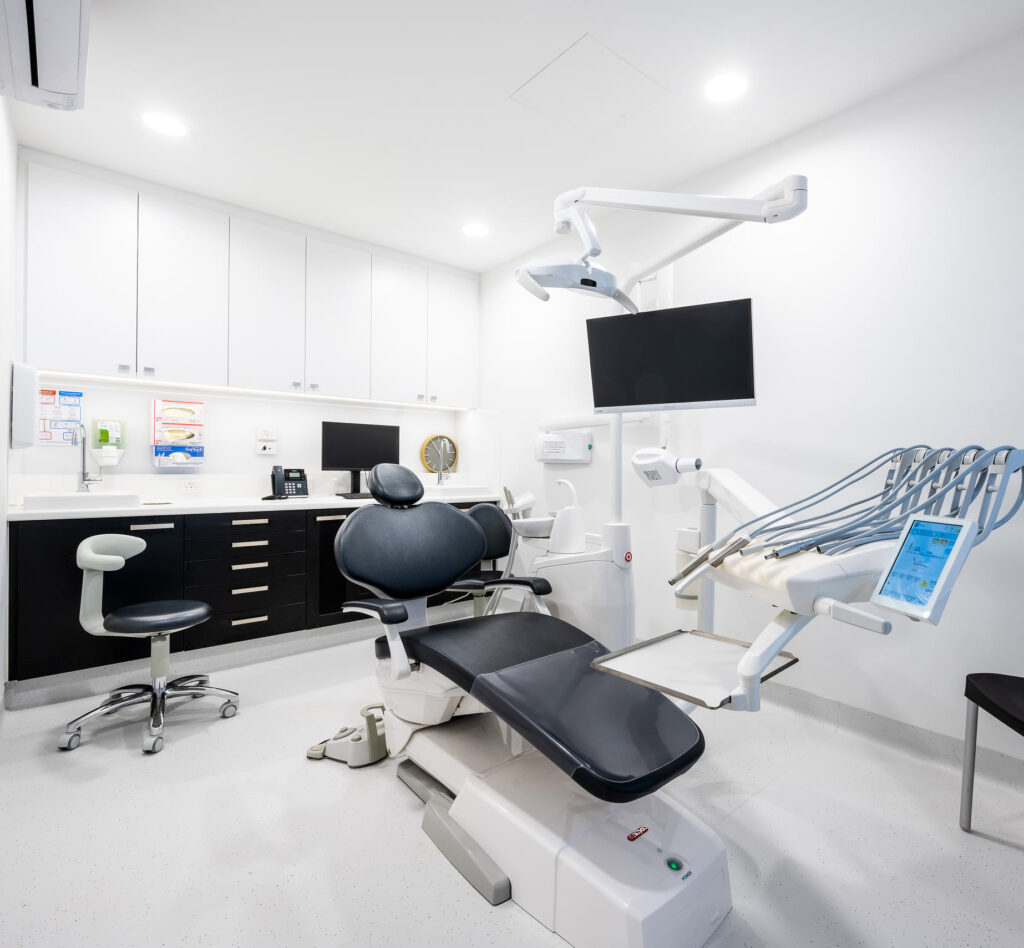
Sleep Dentistry and Sedation Options
Feeling a bit unsure about dental treatment is something many people experience. In some situations, sedation dentistry, also known as sleep dentistry, may be discussed as part of your treatment planning after a clinical assessment.
Sleep dentistry involves the use of sedation techniques alongside dental treatment. It isn’t needed for most dental care and may not be suitable for everyone.
For people considering sleep dentistry in Coburg or exploring options in Melbourne, this approach may be discussed during a dental consultation if it is considered appropriate.
At Coburg Dental Group, we may discuss sedation options if they are suitable for your care. All treatment decisions are made following a discussion between the patient and the dental practitioner, with informed consent.
What Sleep Dentistry May Involve
Sleep dentistry may be considered for some patients to support comfort during dental treatment, particularly where anxiety or sensitivity is a concern.
Depending on the type used, sedation may reduce awareness of common dental experiences such as sounds, smells, or sensations during treatment. Responses vary between individuals, and effects are not the same for everyone.
In some cases, sedation may assist with longer or more complex dental appointments. Where appropriate and based on individual assessment, treatment may be planned across one or more visits.
Sedation is considered as part of an overall treatment plan and is not required for most dental care.

When Sedation May Be Discussed
We may discuss sedation during a consultation at our clinic if you experience or report any of the following:
- Dental anxiety or fear of treatment
- Previous difficult or distressing dental experiences
- A strong gag reflex
- Difficulty tolerating dental sensations or sounds
- Difficulty achieving numbness with local anaesthetic in some cases
- Difficulty sitting comfortably for longer appointments
- More complex dental treatment needs
- Medical conditions that may make standard dental treatment more challenging
- Anxiety related to dental injections or needles
This does not mean we will recommend sedation. It simply means we may consider it as part of your overall treatment discussion.
Suitability and Assessment
Sedation is not appropriate for everyone.
Our team will assess suitability based on factors such as:
- Medical history
- Current medications
- General health status
- Dental treatment needs
- Previous experiences with sedation or anaesthesia
- Any relevant risk factors
In some cases, non-sedation approaches may be recommended as safer or more appropriate.
Consultation Before Any Decision
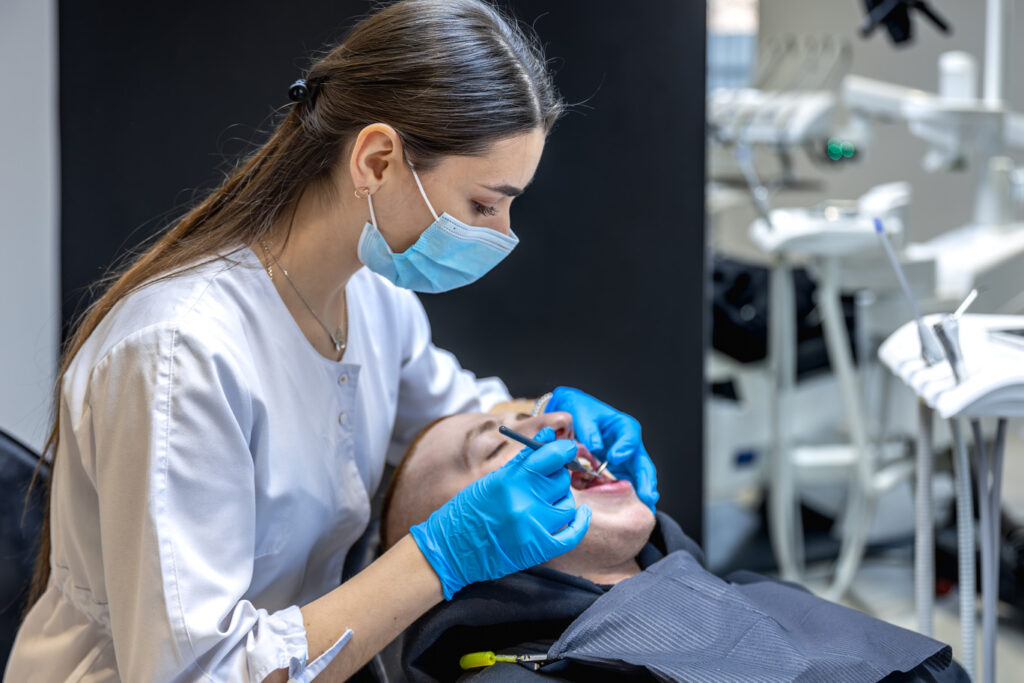
If you are considering sleep dentistry in Coburg or exploring options in Melbourne, a consultation is needed to assess what may be appropriate for your situation.
During this appointment at our Melbourne clinic, one of our principal dentists, Dr Jeffrey Kestenberg, Dr Matthew Siebel, Dr Christina Jovanovic, Dr Conny Qian, Dr Kevin Liu, or Dr Daniel Maydelman may:
- Review your oral health
- Discuss your concerns and treatment needs
- Explain possible sedation options, if appropriate
- Outline an overview of potential costs and procedures
Patients are often asked to bring relevant information to support the assessment, such as:
- Dental X-rays, if available
- Medical history details
- A list of current medications
- Previous dental records, where accessible
A basic oral examination may be carried out during the consultation to support our clinical assessment. No invasive treatment is typically performed at this stage.
Appointment availability may vary. If you would like more information about sleep dentistry or to arrange a consultation, you can contact us or speak with our reception team, who can assist with enquiries and booking.
Types of Sedation That May Be Considered
If sedation is suitable, we may talk through a few options depending on your needs and your treatment plan.
Oral Sedation
Oral sedation may involve taking a prescribed tablet before the appointment to support relaxation.
People respond in different ways. Some feel calm or a bit sleepy, while others may notice little change. Most people are still awake and able to respond during treatment.
Suitability depends on medical history, medications, and a clinical assessment.
Inhalation Sedation (Laughing Gas)
Inhalation sedation involves breathing a gentle sedative gas through a small mask placed over the nose during treatment.
It may help some people feel more relaxed, particularly if they are nervous or having a shorter procedure. The effect usually starts quickly and wears off soon after the appointment. Most people are still able to talk and respond during use.
We assess suitability based on individual needs and the type of treatment planned.
General Anaesthetic
General anaesthesia is a way of carrying out dental treatment while a patient is fully asleep. It is provided in a monitored medical setting with a specialist anaesthetist present throughout, where required.
The dental treatment is completed while the patient is unconscious. It may be considered in certain cases, depending on medical history, treatment needs, and suitability assessed during consultation.
We will only suggest options that are appropriate for your care.
What Happens During Treatment
Depending on the plan discussed at your consultation, treatments such as fillings, crowns, extractions, or cleaning may be completed under sleep dentistry.
- Before treatment
You may be given instructions specific to your procedure. We may also review your medical history and medications again on the day to ensure everything is up to date.
- During treatment
Monitoring is usually used to track vital signs which may include breathing, heart rate, and oxygen levels, depending on the type of sedation used. We are involved during the appointment, and monitoring is typically used throughout the procedure.
- After treatment
You may feel drowsy for a period of time after sedation. Recovery needs vary depending on the type of sedation used. In some cases, a support person may be required to assist you at home.
Treatment may be completed at the clinic or in a day surgery facility, depending on clinical requirements.
Who Provides Care During Sedation
Your sedation or general anaesthetic is administered by a qualified specialist anaesthetist in a controlled environment, where required.
Our dentists then complete your dental treatment while you are relaxed or asleep, with monitoring used throughout the procedure depending on clinical needs.
Possible Benefits and Limitations
Sedation may help some patients feel more comfortable during dental treatment, especially when anxiety or difficulty with treatment is a concern. In some cases, it may also make it easier to complete dental treatment in a calmer setting.
However:
- It is not needed for most dental care
- It may not be suitable for everyone
- Like all dental procedures, it can involve risks that vary from person to person
- Other treatment approaches may also be appropriate depending on individual needs
All options are discussed during a consultation to support informed decision-making.
Safety and Risks
All dental procedures carry some level of risk. These are usually explained before treatment.
If you have any medical conditions or concerns, your suitability may be assessed by our dental team and, where relevant, the anaesthetist to help determine an appropriate approach.
It is generally recommended to discuss any questions or concerns with the team before proceeding.
Alternatives to Sedation
Sedation is only one option among several that may support dental care.
Other approaches may include:
- Shorter or staged appointments
- Strong local anaesthetic alone
- Extra time and pacing during treatment
- Supportive communication and comfort techniques
These options may be discussed depending on what is most appropriate for you.
Children and Sleep Dentistry
In some circumstances, sedation may be considered for younger patients who experience significant anxiety or difficulty coping with dental treatment.
Decisions involving children are made on an individual basis and may include:
- Assessment of emotional and developmental needs
- Review of medical history
- Discussion with parents or guardians
- Consideration of non-sedation options where appropriate
Each case is assessed individually, with a focus on safety and wellbeing.
Request Further Information
If you would like to learn more about sleep dentistry in Coburg or sleep dentistry in Melbourne, these options may be discussed during a consultation appointment.
During this visit, we will talk with you about your concerns, medical history, and any dental treatment you may need, to help consider suitable options for your situation.
To make an enquiry or check appointment times, you may contact Coburg Dental Group on 03 9386 1805 and speak with our reception team.
Frequently Asked Questions
General anaesthesia may involve medicines that place your body into a temporary, controlled, and closely monitored state of unconsciousness during dental treatment. It is administered in a clinical setting by trained medical professionals.
During this time, there would be no awareness of the procedure. Recovery experiences can vary between individuals.
All dental treatments and anaesthesia options carry risks. These are explained prior to treatment. Any questions or concerns can be discussed with the dental team during consultation.
With general anaesthesia, a person is typically unconscious during the procedure. Different levels of sedation may be used in dentistry depending on the situation.
Your dentist or anaesthetist may explain what options may be considered based on individual circumstances.
Sedation or general anaesthesia during pregnancy may depend on individual health factors and the stage of pregnancy.
A clinician may review medical history and discuss whether treatment may be appropriate at that time or whether other options may be considered.
General anaesthesia may be suitable for some patients, but it is not appropriate for everyone.
It depends on individual health, medical history, and treatment needs. A clinical assessment by a dentist and anaesthetist is usually required to determine suitable options.
If considering sleep dentistry, contact the clinic to arrange a consultation.
The cost of sleep dentistry may vary depending on the type of treatment, how complex it is, and the level of anaesthesia involved.
After an assessment, the dental team can provide more specific information based on your situation.