


Understanding Tongue Tie and Lip Tie and When Frenectomy May Be Considered

Limited movement of the tongue or upper lip may sometimes affect speech, feeding, oral hygiene, or everyday comfort. This can be associated with a small band of tissue called a frenulum, which is referred to as a tongue tie or lip tie depending on its location.
If a restriction is identified, a frenectomy may be considered in some cases. This involves a clinical assessment of oral function and the frenulum to understand whether it may be contributing to functional concerns.
Many people in Melbourne attend a frenectomy consultation at Coburg Dental Group. It involves an examination of the area and a discussion of possible management options based on individual circumstances. This helps guide the next steps if needed.
What Are Tongue Tie and Lip Tie
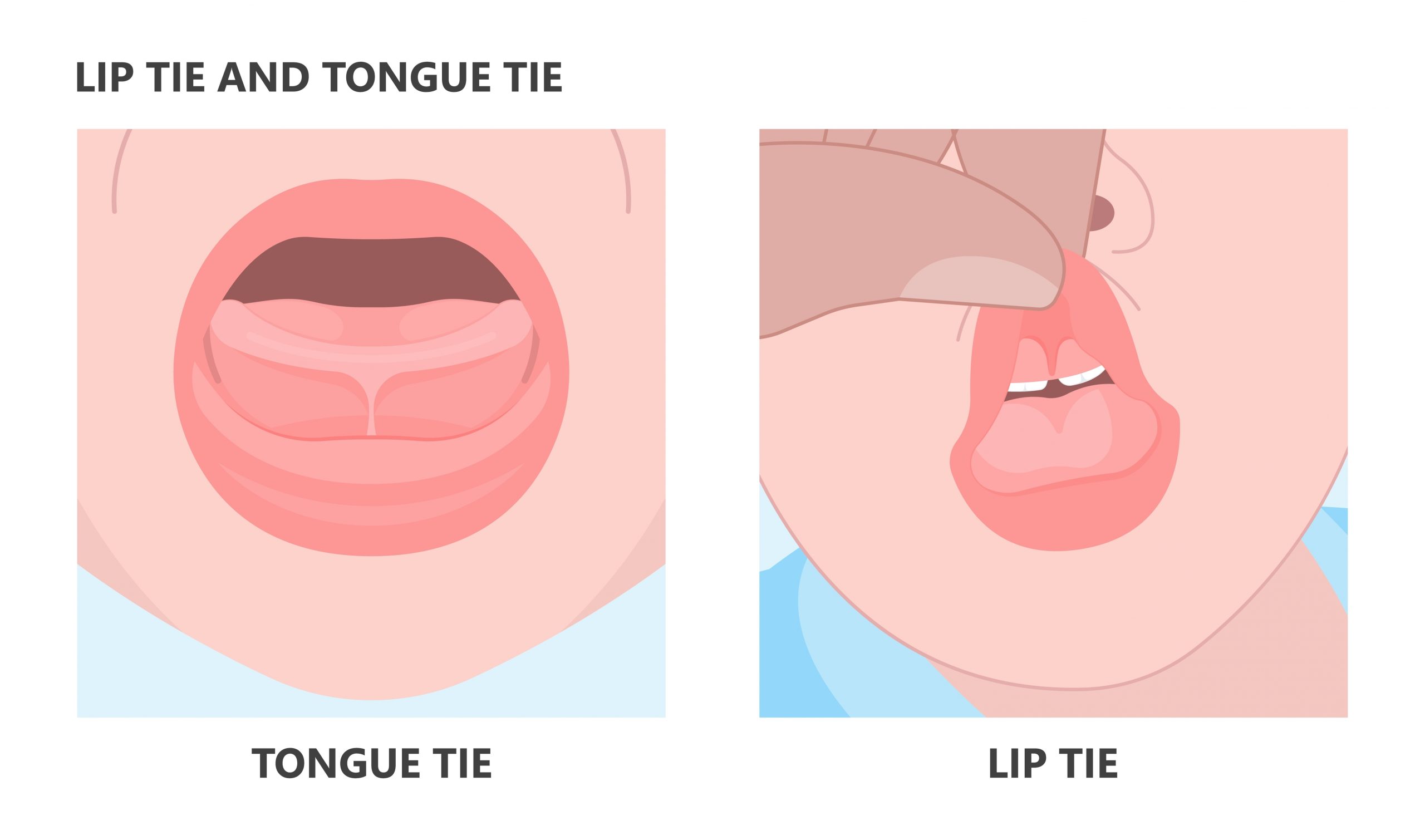
A tongue tie (ankyloglossia) may occur when the tissue under the tongue is shorter or tighter than usual, which may limit tongue movement.
A lip tie may occur when the tissue under the upper lip is tight or positioned in a way that may limit lip movement.
These variations may be present in babies, children, and adults. Some individuals may have no symptoms, while others may notice functional concerns depending on severity.
Many patients’ seeking assessment for a tongue-tie or lip-tie in Coburg and across Melbourne may attend a consultation to determine whether treatment is required.

How Tongue Tie or Lip Tie May Be Assessed or Diagnosed
Diagnosis of a tongue or lip tie involves assessing several factors together, including:
- Movement and function of the tongue or lips
- Structure and attachment of the frenum
- Any related symptoms or functional concerns
These findings are considered together to determine whether a frenectomy may be appropriate. If you are unsure, you may contact the clinic for advice.
In some cases, an e-consultation may also be arranged for patients outside Melbourne. To understand why these restrictions, occur, it is helpful to first look at the role of the frenum in the mouth.
What Is a Frenulum in the Mouth
A frenulum, which is also known as a frenum, is a small fold of skin and connective tissue that helps stabilise the movement of certain structures in the mouth. It is a normal part of the body, and most people do not require any treatment.
There are three main types in the mouth:
- Lingual frenum under the tongue
- Labial frenum connecting the lips to the gums
- Buccal frena connecting the cheeks to the gums
In some cases, if a frenum is tight or prominent, it may restrict movement of the tongue, lips, or cheeks and contribute to functional concerns.
In cases where a frenum affects normal movement or function, treatment may sometimes be considered.
What Is a Frenectomy
A frenectomy is a procedure that may be used to release or remove a frenum in the mouth when it is thought to be contributing to functional restriction.
Frena are small band of connective tissue found in the cheeks, lips, and gums. A frenectomy may be considered for babies, children, and adults, depending on clinical findings.
In the oral cavity, the main types include:
- Lingual frenum, under the tongue
- Labial frenum, connecting the lips to the gums
The decision to proceed with a frenectomy depends on specific functional concerns and clinical findings
When a Frenectomy May Be Recommended
A lingual frenectomy is a procedure involving the release of the lingual frenum and is commonly performed in cases of tongue-tie or ankyloglossia. It may be considered when the frenum appears to restrict tongue movement, which may be associated with:
- Difficulty with breastfeeding
- Speech development concerns
- Reduced tongue mobility, which may affect functions such as licking, eating, or swallowing
A labial frenectomy is a procedure involving the release of the lip frenum and may be considered in certain clinical situations, including:
- Breastfeeding difficulties where lip movement may be restricted
- Management of gum recession where the frenum attachment is high on the gums
- Orthodontic assessment, where a prominent frenum may be associated with a gap between the front teeth (often alongside orthodontic treatment)
- Denture fit concerns where the frenum may affect comfort or stability
However, not all cases require treatment. Management decisions are based on individual function rather than appearance alone
Is a Frenectomy Always Necessary
Not all tongue or lip ties require treatment. Many individuals have a visible frenum without any impact on function or daily activities.
When considering options such as frenectomy for tongue-tie and lip-tie, with care available in Melbourne, the focus is always on function rather than appearance. If the frenum is not causing feeding, speech, oral hygiene, or comfort concerns, treatment may not be required.
In mild cases, a conservative approach such as monitoring over time may be recommended. This allows changes in function to be observed as the child grows or as oral demands change.
A clinical assessment helps determine whether the restriction is functionally significant and whether intervention is likely to provide benefit.
Non-Surgical or Conservative Management Options
In some cases, a frenectomy may not be immediately required. Conservative management may be considered depending on symptoms and functional findings.
This may include:
- Monitoring oral function over time
- Lactation or feeding support for infants experiencing feeding difficulties
- Speech therapy support where speech concerns are present
- Myofunctional therapy to improve oral muscle function in selected cases
- Simple oral exercises where appropriate
These approaches may be used alone or alongside ongoing assessment to help determine whether surgical intervention may later be beneficial.
What to Expect at the First Consultation
During the initial consultation, an assessment is usually carried out to understand concerns and how the mouth is functioning. This may include:
- A review of medical, feeding, speech, and dental history
- An examination of tongue and lip movement
- Assessment of the frenum and whether it may be affecting function
- A discussion of symptoms and concerns
Based on these findings, possible options may be discussed. This may include whether a frenectomy may be appropriate or whether other approaches may be considered, depending on individual needs.

What Happens During a Frenectomy Procedure
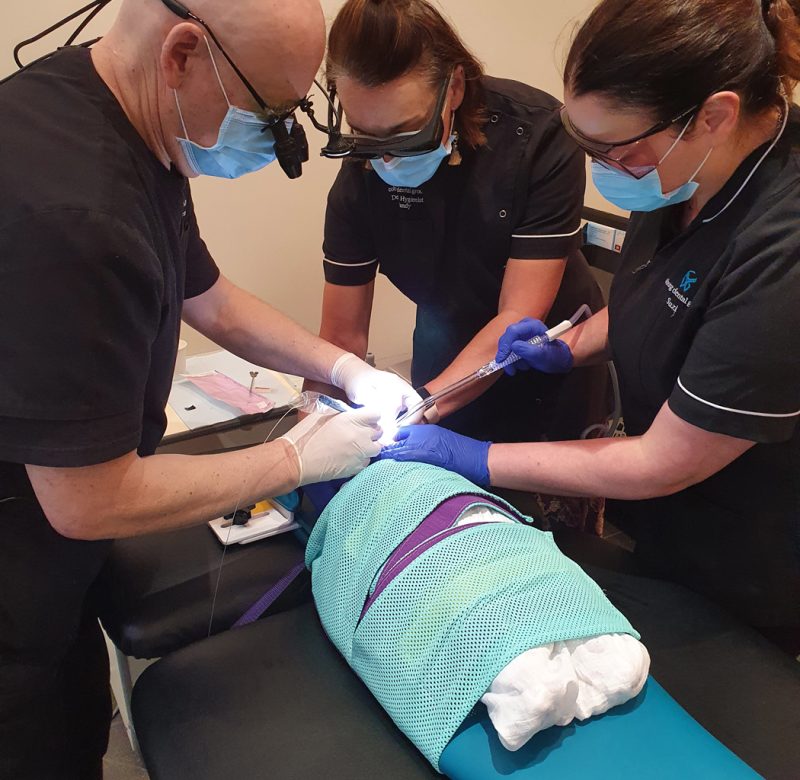
At Coburg Dental Group, the procedure may be performed using a diode laser.
The treatment is generally quick and may be carried out for patients of different ages.
In many cases, only minimal or topical anaesthetics may be required, depending on the patient’s age, comfort, and clinical needs. Local anaesthetic may also be used where appropriate.
Recovery After Frenectomy
Healing after a frenectomy often takes about 10 to 14 days, although this can vary from person to person. Antibiotics are not usually required after laser procedures.
Aftercare usually includes specifically prescribed stretches of the lip and/or tongue, followed by exercises.
The post-operative care specific to each patient and tailored to individual needs, is discussed at the initial consultation.
Support may be available during clinic hours if advice is needed during recovery.
Why a Referral May Be Helpful in Some Cases
In some cases, a referral from another health professional may be helpful as part of the assessment process.
For example:
- A lactation consultant may assess feeding concerns in infants
- A speech pathologist may assess speech development in children
- Other health professionals, such as chiropractors or osteopaths, may also be involved where relevant
This collaborative approach may provide a more complete understanding of symptoms and whether a frenectomy in Melbourne may be appropriate.
Possible Outcomes of Frenectomy
A frenectomy may be helpful when a restricted frenum is affecting normal oral function. Possible benefits may include:
- Improved movement of the tongue or lips
- Better feeding and latch in infants where relevant
- Improved speech clarity in some cases
- Easier cleaning and oral hygiene
- Reduced tension on the gum tissue in some situations
- May support orthodontic treatment where spacing is a factor
Outcomes vary from person to person depending on individual circumstances and the degree of restriction.
Frequently Asked Questions
Why wasn’t my baby’s tongue or lip tie diagnosed in the hospital at birth?
Assessment practices for tongue and lip ties can vary between healthcare settings and practitioners. In some cases, these variations mean that a tongue or lip tie may not be identified immediately after birth.
For this reason, some families only become aware of a possible tongue or lip tie later, particularly when feeding or functional concerns begin to emerge.
My baby has a mild tongue tie but no feeding issues. Should it be treated?
Tongue ties are relatively common, with around 1 in 10 babies reported to have some degree of restriction. There is a wide range in how mild or significant a tongue tie may be, and many babies can breastfeed or bottle feed effectively without any symptoms.
Treatment decisions are usually based on functional impact rather than appearance alone. If a baby is feeding well and gaining weight appropriately, a conservative approach such as monitoring may be appropriate in some cases.
In some situations, tongue tie may be associated with later functional concerns, which can include:
- Feeding or chewing difficulties with solid foods
- Speech development concerns
- Oral hygiene or dental-related challenges
There is no single approach that applies to every child. Management is typically individualised following a clinical assessment.
Can I claim a frenectomy on Medicare?
Frenectomy procedures performed by a dentist are generally not covered by Medicare, so claims cannot usually be made through the Medicare system.
Private health insurance with extras cover may provide a rebate depending on the individual policy. Coverage varies between health funds and levels of cover, so patients are encouraged to check directly with their provider before treatment.
If applicable, consultations and procedures may be assigned different item numbers depending on the clinical situation and provider.
Your health fund can confirm any potential rebates before treatment.
What may happen if a lip tie or tongue tie is left untreated?
If a lip tie or tongue tie is not treated, it may not cause any problems for many people.
In some cases, it may be linked with speech, feeding, or oral hygiene difficulties, but this is not always the case.
Whether anything needs to be done usually depends on whether it is affecting normal function.
Find Out More
To learn more about frenectomy assessment and treatment in Melbourne, or to arrange a consultation with a dentist, you may contact Coburg Dental Group – 03 9386 1805.
A clinical assessment will help determine whether treatment is appropriate based on individual needs.
Important Information
All surgical and invasive procedures carry risks. Patients should seek advice from an appropriately qualified health practitioner and may consider a second opinion before proceeding with treatment.