


Fremitus: Symptoms, Causes, Treatment and Bite Assessment
Home > Fremitus: Symptoms, Causes, Treatment and Bite Assessment
We Pride Ourselves On Being The Best Melbourne Dentist
Fremitus: Symptoms, Causes, Treatment and Bite Assessment

Over time, the way your teeth meet during biting or chewing can change gradually. These shifts may be easy to overlook at first. You might notice pressure on certain teeth, mild sensitivity, or a bite that feels less balanced than before. In some cases, these concerns could be associated with fremitus, which is usually identified during a professional dental examination because it may not always cause obvious symptoms at home.
A dentist may assess fremitus to evaluate how your teeth respond to normal biting forces. At Coburg Dental Group, concerns like fremitus in Melbourne may be addressed as part of a general assessment of your bite pressure, jaw movement, and gum health. What the dentist finds during this visit could help guide the next steps for your dental care.
What Is Fremitus?
Fremitus is a dental term that describes slight tooth movement or vibration when the teeth come together during biting, clenching, or grinding.
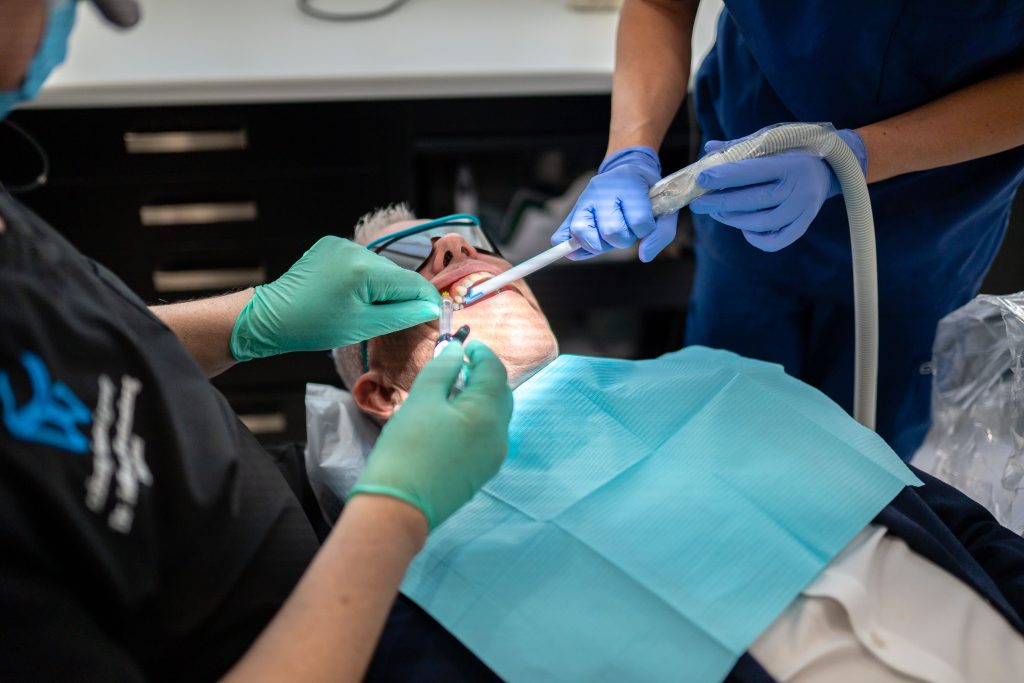
A dentist may detect fremitus during an examination by gently placing a finger on the tooth while you bite or move your jaw. In some cases, it could indicate that certain teeth are experiencing uneven or excessive biting pressure.
Because these little shifts develop quite slowly and are very subtle, fremitus may sometimes only be spotted during your routine dental examination.
Types or Degrees of Fremitus
Mild Fremitus
A slight vibration that may only be detectable during a dental examination. Most people may not notice any symptoms.
Moderate Fremitus
More noticeable movement that could sometimes be associated with mild pressure, sensitivity, or the feeling that certain teeth contact more heavily during biting.
Severe Fremitus
More pronounced tooth movement that may be linked to bite imbalance, teeth grinding, or reduced gum and bone support around the tooth.
The degree of fremitus alone may not identify the exact cause. A comprehensive dental examination may be required to assess contributing factors properly.

How It Differs from Normal Tooth Movement
A small amount of natural tooth movement may occur within the gum and bone support system. This movement is usually not noticeable during everyday biting or chewing.
Fremitus is different because the movement may become noticeable when the teeth are in contact under pressure. It is often linked to how the bite functions rather than normal physiological movement.
A dental assessment may help distinguish normal mobility from movement related to uneven bite forces or additional stress on specific teeth.
Possible Causes of Fremitus
Several factors may contribute to fremitus. These can vary from person to person and may involve both dental and functional concerns.
Common contributing factors may include:
- Teeth grinding or clenching (bruxism)
- Uneven bite pressure
- Tooth wear
- Misaligned teeth
- Missing teeth affecting bite balance
- Gum disease affecting tooth support
- Jaw joint concerns, such as TMJ dysfunction
Signs Associated with Bite Stress and Fremitus
People experiencing fremitus may notice a range of symptoms, although some individuals may have no obvious signs.
Possible symptoms may include:
- A feeling that a tooth moves during biting
- Tooth sensitivity
- Wear or flattening of teeth
- Jaw tension or fatigue
- Clicking or discomfort in the jaw joint
- Gum tenderness around certain teeth
If these symptoms are present, an assessment may help determine whether Fremitus in Melbourne is related to bite pressure, grinding habits, or other dental factors.
How a Bite Assessment Is Performed
Assessment of fremitus usually involves a clinical examination of the teeth, gums, and bite relationship. We may observe how the teeth contact during normal jaw movement and whether certain teeth experience excessive pressure.
In some cases, dental imaging or bite analysis may also assist in evaluating supporting bone levels, tooth position, and overall bite function.
The goal of assessment is not simply to identify movement, but to understand the underlying contributing factors that may be placing stress on the teeth or surrounding structures.

What May Happen After Assessment?
Following the assessment, we may explain how your teeth are functioning together during biting and chewing, so the findings are easy to understand.
Depending on the clinical findings:
- No immediate treatment may be required
- The area may simply be monitored over time
- Bite-related contributing factors may be reviewed
- Grinding or clenching habits may be discussed
- Preventive or supportive options may be recommended
Management recommendations are always based on individual oral health needs and examination findings.
Management and Ongoing Care
Management for fremitus depends on the findings from examination and the contributing factors identified.
Possible approaches may include:
- Monitoring the affected teeth over time
- Bite adjustment where clinically appropriate
- Custom bite splints or night guards
- Addressing grinding or clenching habits
- Restorative treatment for worn teeth
- Periodontal care where gum support is affected
Not every case requires active treatment. In some situations, regular review and preventive care may be appropriate instead.
When assessing fremitus in Melbourne, we may discuss management approaches based on each patient’s oral health needs and clinical findings.
When a Dental Examination May Help
A dental assessment may be helpful if you notice:
- Changes in the way your teeth meet
- Discomfort or pressure when biting
- Jaw tension or fatigue
- Signs of tooth wear or sensitivity
Early evaluation may help identify contributing factors and reduce ongoing stress on the teeth and jaw.
At Coburg Dental Group, fremitus in Melbourne may be assessed as part of a comprehensive evaluation of bite function and overall oral health.
If a dental examination is considered appropriate, a consultation may be arranged. Enquiries or appointment availability may be checked directly with Coburg Dental Group.
Can I claim the procedure on Medicare?
Because the procedure is performed by a dentist, a claim cannot be made through Medicare. A claim can be made on Extras Cover of Private Health Insurance but is restricted on some policies. The item number for the consultation is 014 or 016 and for the procedure is 391. You can contact your Health Insurance Provider to see what the rebate would be.
Find Out More
To find out more about frenectomy assessment and surgery, or to book a consultation with an experienced dentist, call Coburg Dental Group on 03 9386 1805.
Any surgical or invasive procedure carries risks. Before proceeding, you should seek a second opinion from an appropriately qualified health practitioner.
Frequently Asked Questions
Fremitus may occur in adults of different age groups. It could sometimes be associated with bite changes, grinding, tooth wear, or gum concerns.
Both situations may sometimes be related. A loose tooth could show more movement during biting, while excessive bite pressure may also place added stress on the tooth over time.
In some mild cases, symptoms may remain stable or fluctuate over time. However, if grinding, clenching, or uneven bite pressure continues, the movement may not completely resolve without management of the contributing factors.
A dentist may gently place a finger against the tooth while you bite together or move your jaw to check for slight movement or vibration.
Management may sometimes include monitoring, bite splints or night guards, bite adjustment where clinically appropriate, or discussing grinding and clenching habits.

