

Blog
What Is a Frenectomy and When Is It Needed?
A frenectomy is a common oral surgical procedure used to address issues caused by a tight or thick band of tissue in the mouth known as a frenum. These small bands of connective tissue can restrict normal movement of the lips, tongue, or cheeks, and cause various problems with eating, speaking, and dental health.
In simple terms, a frenectomy involves removing or modifying the frenum when it is affecting oral function or contributing to other concerns. The procedure is generally straightforward, although the approach and suitability vary depending on the patient’s age, anatomy and individual circumstances.
In this article, we’ll cover everything you need to know about frenectomy, including its types, when it’s necessary, what happens during the procedure, costs in Australia, recovery expectations, and common patient questions. If you’re researching frenectomy in Melbourne, this guide can also help you understand what may be discussed during a dental assessment.
Understanding the Oral Frenum
The mouth contains several frena (plural of frenum), each with a specific location and role:
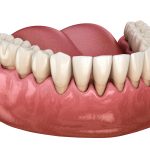
- Lingual Frenum: Connects the underside of the tongue to the floor of the mouth.
- Labial Frenum: Connects the upper lip to the gum above the front teeth.
- Buccal Frenum: Connects the inner cheek to the gum.
These frena are normal anatomical structures, but when they’re too tight, thick, or positioned abnormally, they can restrict movement, cause discomfort, or lead to oral health issues.
When Is a Frenectomy Needed?
A frenectomy may be recommended when a frenum affects oral function, appearance, or health. Some of the most common reasons include:
- Tongue-tie (Ankyloglossia): A condition where a tight lingual frenum restricts tongue movement. It can cause difficulties with breastfeeding, speech development, swallowing, and oral hygiene.
- Lip-tie: A tight labial frenum can limit lip mobility, contributing to breastfeeding issues in infants or creating a visible gap between the upper front teeth (diastema). It may also place tension on the gums in some cases.
- Speech Difficulties: Restricted tongue movement from a tight frenum can interfere with clear pronunciation of certain sounds.
- Orthodontic Concerns: An overly tight labial frenum can interfere with orthodontic treatments or cause teeth to shift post-treatment.
- Denture Fit Issues: In adults, a large frenum can prevent dentures from fitting comfortably.
- Oral Discomfort: Sometimes, an abnormal frenum can cause irritation or pain when eating or speaking.
In some cases, early intervention, particularly for infants and young children, may help identify whether a restricted frenum is contributing to feeding, speech or dental concerns.
Frenectomy for Babies vs Adults
A frenectomy can be performed at different stages of life, but the way it is approached can vary depending on the person’s age and the reason for treatment.
For babies, a frenectomy may be discussed when a restricted tongue or lip is affecting feeding. The dentist will assess the frenum and consider how it may be affecting movement before discussing whether treatment is appropriate.
For older children and adults, the reasons for considering a frenectomy can be different. Concerns may include speech, oral hygiene, discomfort, orthodontic treatment or the way the frenum affects the gums or teeth.
The procedure itself also varies depending on the individual. Your dentist can explain what the assessment involves, which technique may be used and what you can expect afterwards.
What Happens During a Frenectomy Procedure?
A frenectomy may be performed by a dentist or oral surgeon and the length of the procedure can vary depending on the type of frenectomy and individual circumstances. The procedure steps usually include:
- Examination and Diagnosis: The dentist assesses the frenum’s position, thickness, and impact on oral function.
- Anaesthesia: Local anaesthetic is generally used to numb the treatment area. For infants, a topical anaesthetic or numbing gel may be used.
- Removal or Modification of the Frenum: The practitioner cuts, loosens, or removes the frenum using sterile scissors, a scalpel, or increasingly, a soft-tissue laser. Lasers may also be used for some frenectomy procedures. Your dentist can explain the technique being considered and what you can expect during recovery.
- Closure (if required): In most cases, stitches are not necessary, but sometimes absorbable sutures may be placed.
- Post-Procedure Care: Patients receive detailed aftercare instructions, including oral hygiene tips and dietary recommendations.
Laser Frenectomy vs Traditional Frenectomy
If you’ve been researching frenectomy in Melbourne, you may have come across both laser and traditional techniques. The main difference is the method used to release or remove the frenum.
A traditional frenectomy may involve instruments such as sterile scissors or a scalpel, while a laser may be used for some procedures involving soft tissue. The technique your dentist recommends can depend on the location and appearance of the frenum, the reason for treatment and your individual circumstances.
Laser treatment is not automatically the right option for everyone. Your dentist can explain which technique is being considered and why, along with what you can expect during healing.
If you’re comparing frenectomy options in Melbourne, it can be helpful to ask your dentist about the differences between the techniques rather than choosing a method based on the name of the procedure alone.
What Should You Expect After a Frenectomy?
Recovery after a frenectomy is generally straightforward, although the experience can vary from person to person.
- Infants: The treated area generally heals over the following days and Parents may notice immediate changes in feeding and latch, although this can vary between infants.
- Children and Adults: Mild swelling, discomfort, or sensitivity may occur after the procedure. Recovery times can vary depending on the procedure and the individual.
- Pain Management: Your dentist may provide advice about managing any discomfort after the procedure, which may include appropriate over-the-counter pain relief.
- Dietary Tips: Soft foods and plenty of hydration are recommended for a few days post-procedure.
- Oral Care: Your dentist may recommend gentle brushing and specific rinsing instructions as the area heals.
Your dentist may also recommend stretching exercises for the tongue or lip during healing, depending on the procedure and your individual needs.
Recovery Timeline after a Frenectomy
Everyone heals differently after a frenectomy, so the timeline below is a general guide rather than a set recovery schedule.
Day 1
The treatment area may feel tender or sensitive once the anaesthetic wears off. Some swelling or discomfort can occur. Your dentist will provide aftercare instructions, including advice about eating, drinking and keeping the area clean.
Days 2–3
You may still notice some tenderness or swelling around the treated area. Soft foods may be more comfortable during this stage, and you should follow the oral care instructions provided by your dentist.
Days 4–5
As healing continues, the area may begin to feel more comfortable. Keep following any instructions from your dentist, including any exercises or follow-up care recommended for your particular procedure.
Days 6–7
By the end of the first week, many of the early recovery changes may have settled, although healing can continue beyond this point. The exact timeline depends on the procedure and the individual.
If you have concerns about pain, swelling, healing or changes in movement at any stage, contact your dentist for advice.
Frenectomy Cost in Australia
The cost of a frenectomy in Australia can vary depending on factors such as the complexity of the case, the type of procedure (traditional vs. laser), and the dental clinic’s location. As a general guide, the costs may be around:
- Standard Frenectomy: Approximately $250–$500
- Laser Frenectomy: Often ranges from $400–$800
Many private health insurance plans with dental extras may provide partial or full coverage for the procedure. It’s always best to confirm with your dental clinic and health fund provider beforehand.
Is a Frenectomy Painful?
A local anaesthetic is generally used during a frenectomy to numb the treatment area, so you should not feel the procedure itself in the same way as you would without anaesthesia. Some discomfort or tenderness may occur afterwards. Some discomfort, swelling or sensitivity can occur during recovery, although the experience varies between patients.
The technique used may vary depending on the individual case, and your dentist can explain the expected recovery before treatment.
Can a Frenectomy Help with Speech Issues?
A frenectomy may help in some cases where restricted tongue movement associated with tongue-tie is contributing to difficulties with certain sounds. Releasing a restrictive frenum may improve tongue mobility, although the effect on speech can vary between individuals.
However, some patients, especially children, may benefit from additional speech therapy following the procedure to develop proper articulation patterns.
What Can You Talk to Your Dentist About?
If you’ve noticed something that doesn’t seem quite right with the movement of your tongue or lips, it’s worth bringing it up at your dental appointment. You don’t need to know whether a frenectomy is the answer before you come in. If you’re researching frenectomy in Melbourne, you can simply start by talking to your dentist about what you’ve noticed.
You can simply tell your dentist what you’ve noticed. Perhaps feeding has been difficult, your child is having trouble with certain sounds, or you’ve been wondering whether a tight frenum could be contributing to a gap between the front teeth. These are all things you can discuss during an assessment.
Your dentist can then talk you through what they can see and whether the frenum may be playing a role. In some situations, they may also suggest speaking with another healthcare professional, such as a speech pathologist or lactation consultant, depending on the concern.
The aim is to understand what is happening before deciding whether any treatment is needed.
Questions to Ask Your Dentist About Frenectomy
If you are considering a frenectomy in Melbourne, there are a few practical questions you may want to ask during your consultation:
- What is causing the concern, and is the frenum contributing to it?
- Which type of frenectomy is being considered?
- Is treatment necessary, or are there other options?
- Which technique would be used and why?
- What should I expect during the healing period?
- Will I need any follow-up care or exercises?
- Are there any additional healthcare professionals I should see, such as a speech pathologist or lactation consultant?
Having these questions answered can help you understand the proposed treatment and what it involves before making a decision.
How Coburg Dental Group Helps with Frenectomy
At Coburg Dental Group, we provide assessment and treatment for a range of oral health concerns, including issues involving the frenum. Where appropriate, our dentists may use techniques including laser frenectomy, depending on the individual circumstances.
We explain what the procedure involves, what you can expect during recovery, and any aftercare that may be recommended. Whether a frenectomy is being considered for feeding, speech, or dental concerns, your options can be discussed during an individual assessment.
Frequently Asked Questions
A frenectomy may be considered when a frenum is restricting movement or contributing to concerns with feeding, speech, oral hygiene, comfort or the teeth and gums. Your dentist can assess whether treatment may be appropriate.
A frenectomy may be considered when a labial frenum is associated with a gap between the front teeth, but changes to your smile are not guaranteed. Your dentist can discuss what may be appropriate for your situation.
A frenectomy treats the frenum inside the mouth rather than changing the shape of the face. If you have concerns about changes to your appearance, discuss them with your dentist before treatment.
Medicare generally does not cover routine dental treatment for adults. If you have private dental cover, your health fund can confirm whether your policy provides any benefits towards a frenectomy.
Pain-relief or anaesthetic measures may be used depending on the baby, the procedure and individual circumstances. Some tenderness or discomfort may occur afterwards.
This varies depending on the procedure and how you heal. Softer foods may be more comfortable initially, and your dentist can advise when you can return to your usual diet.